


Back
Experts
Built with clinicians. Refined in practice.
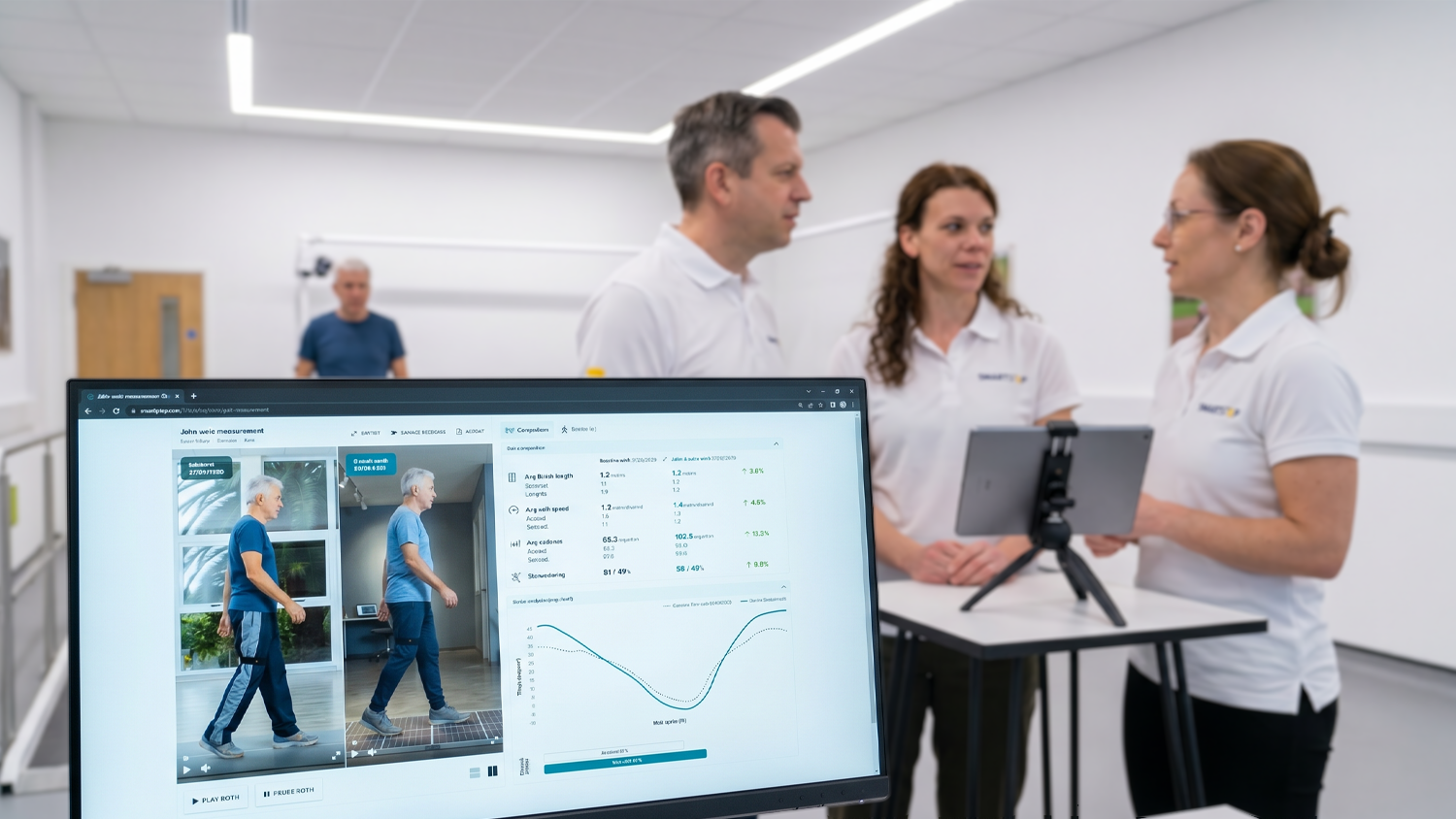
SMARTSTEP® has evolved through multidisciplinary collaboration across prosthetics, orthotics, and rehabilitation.
From initial assessment to device fitting and longer-term rehabilitation, clinical input has shaped how synchronised video and wearable-based gait analysis fit into everyday practice.
The goal has always been practical precision - not complexity.
Meet the team
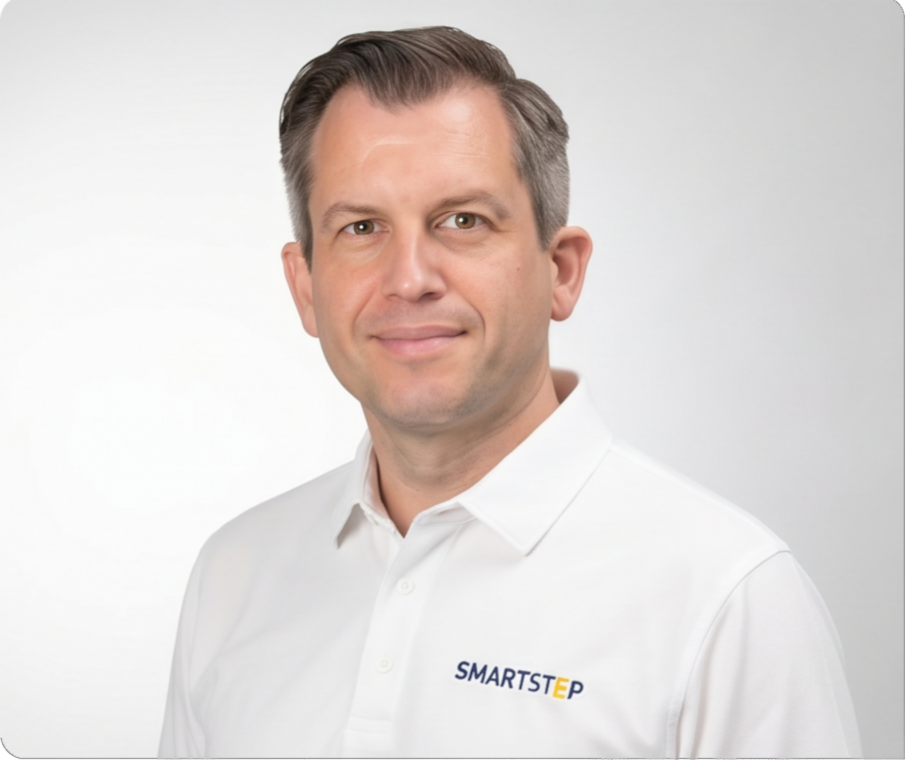
Steve Seccombe - Chief Clinical Officer
Steve has spent more than twenty-five years working as a clinician in prosthetics and orthotics, and he still sees patients today. Over his career he has led clinical teams nationally, held senior roles across services in the UK and Europe, and worked extensively on the development of clinical information systems. He holds an MSc in Clinical Biomechanics.
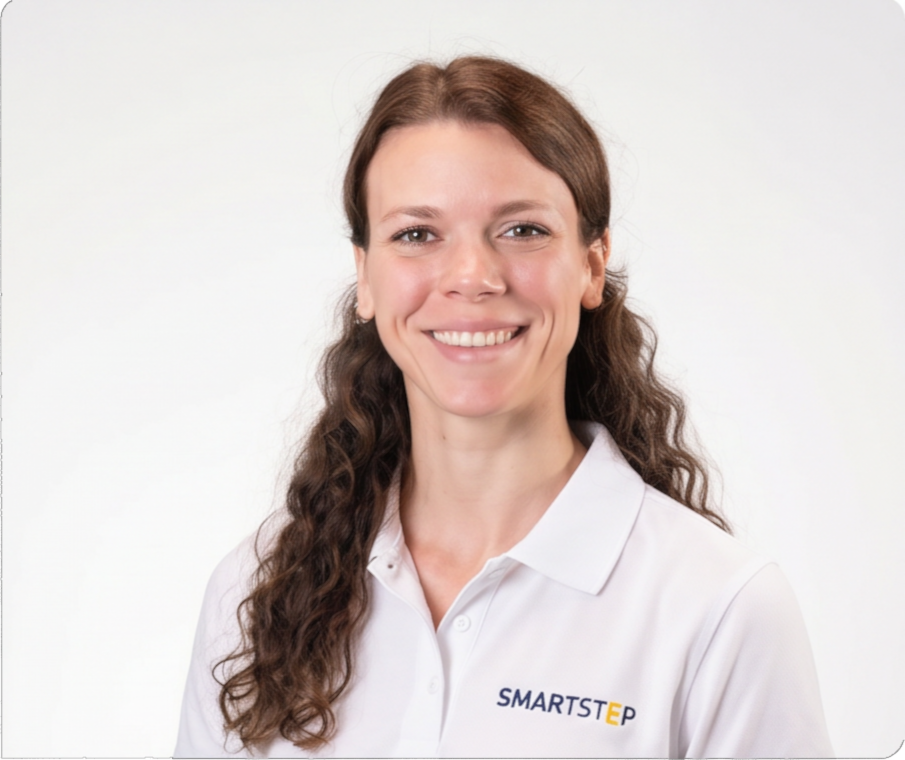
Vanessa Walters - R&D Manager
Vanessa is a clinical biomechanist with a PhD from the University of Salford, where she studied the biomechanical effects of knee surgery using movement analysis, strength testing, and patient-reported outcomes. She has worked as a postdoctoral researcher at the UK's Defence Medical Rehabilitation Centre, contributing to research in military musculoskeletal care, and led clinical gait services for adult and paediatric patients at a hospital in Germany. She has hands-on experience with a wide range of motion capture and biomechanical assessment systems.
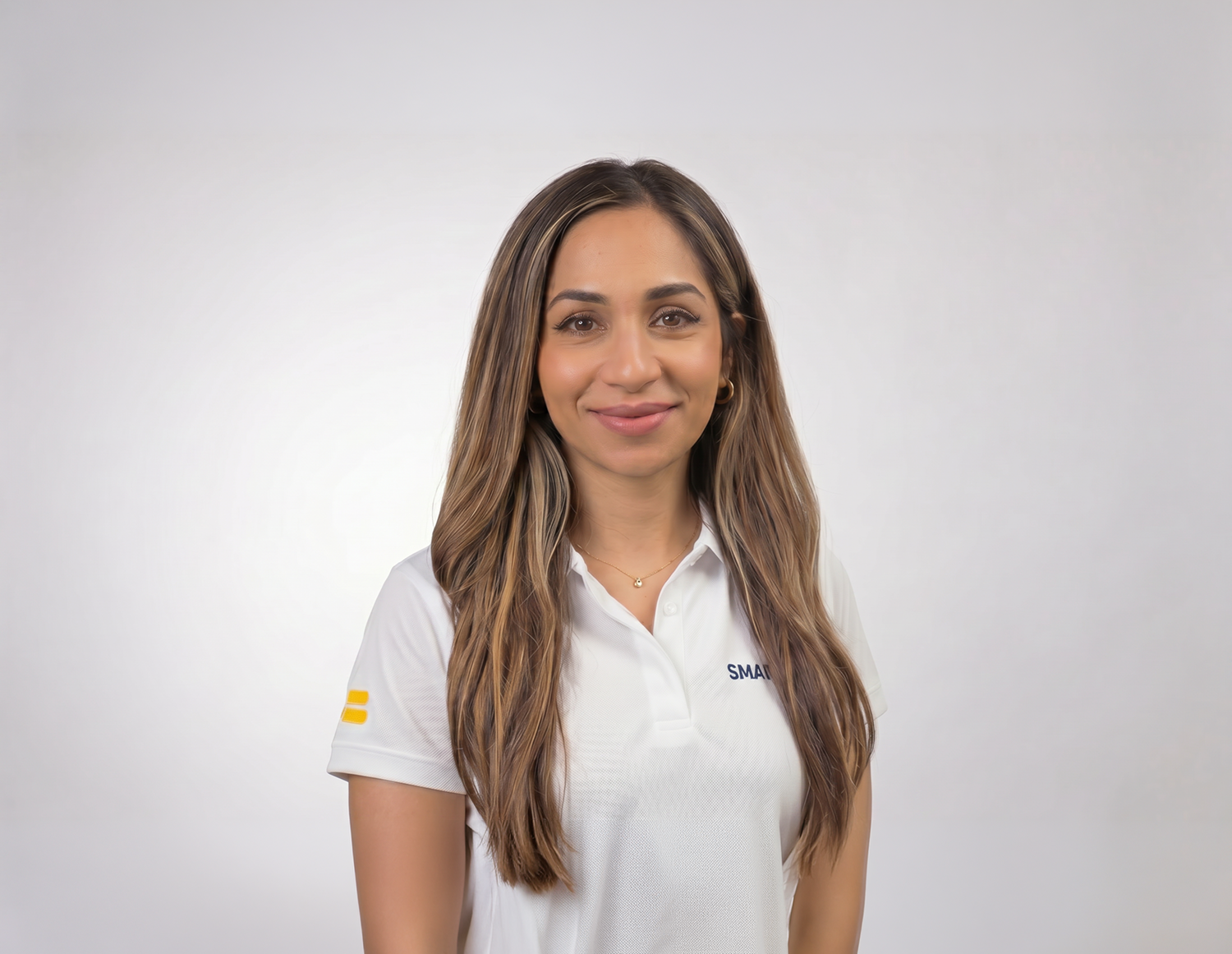
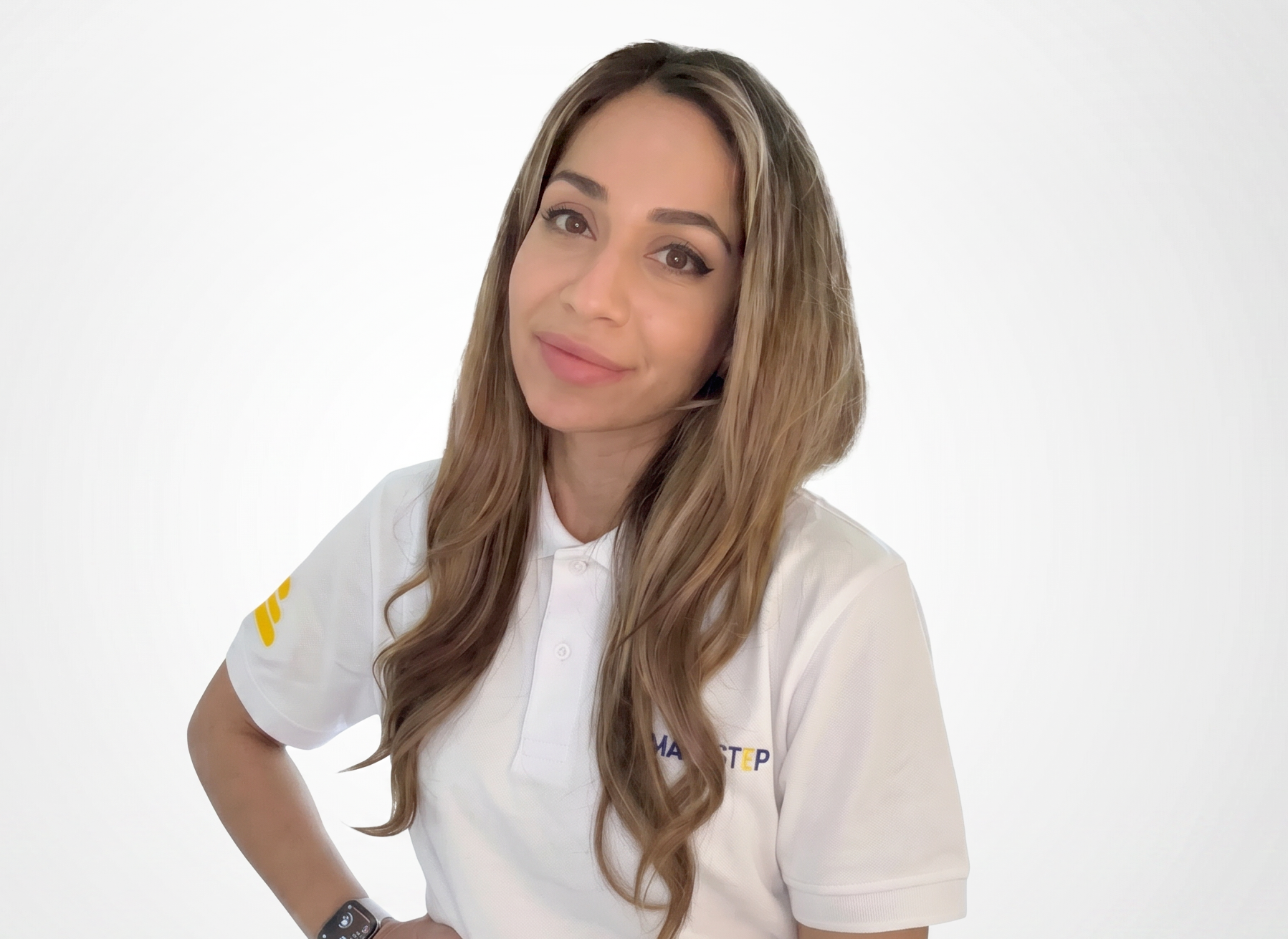
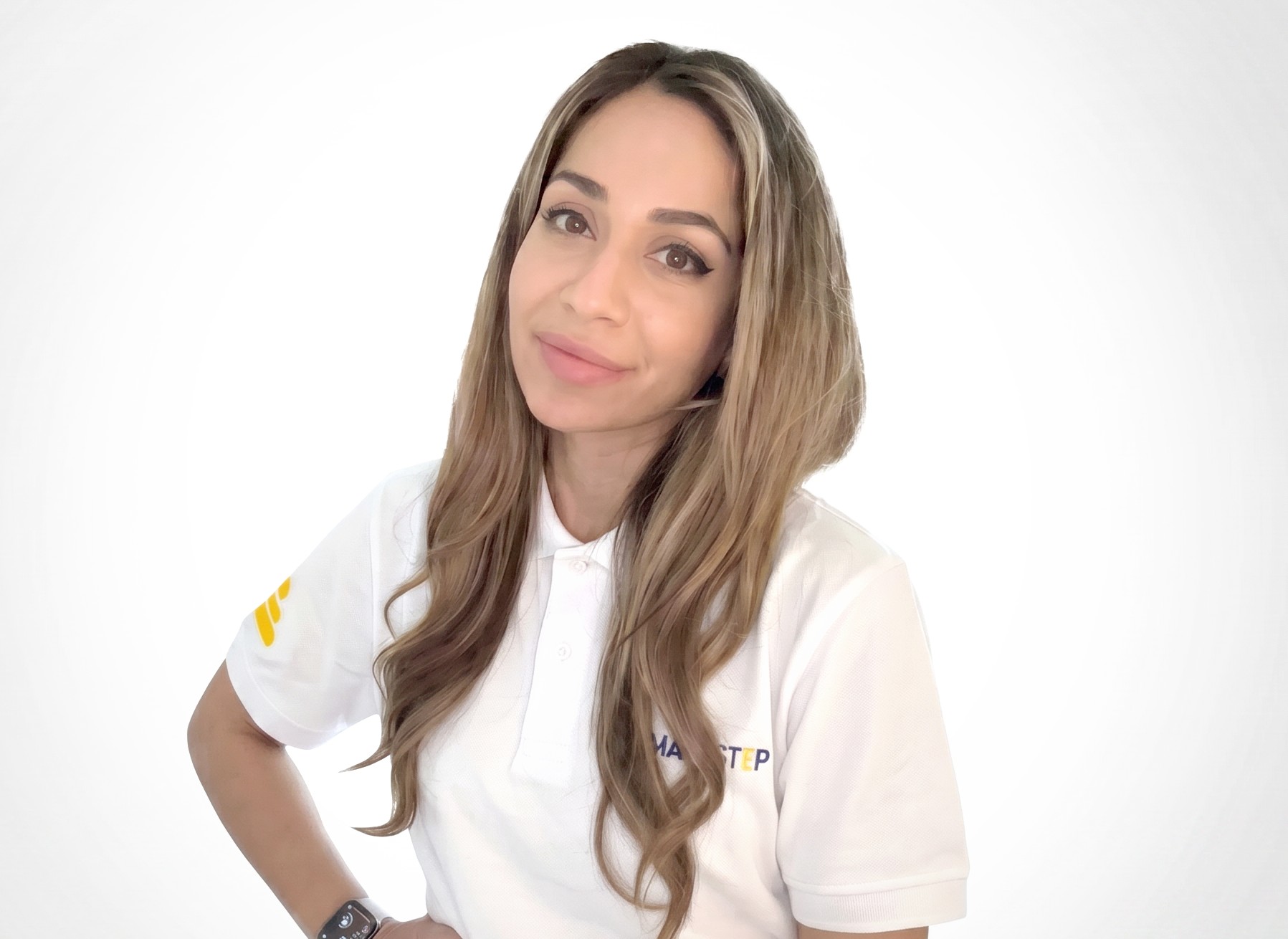
Zaynab Ali - Digital Health Research Associate
Zaynab brings together two disciplines that don't always meet: behavioural science and user experience design. She spent eight years as a Behaviour Analyst, working with individuals to understand behaviour and design effective interventions. She then trained as a UX designer, learning to apply that understanding to digital products. She holds an MSc in Health Psychology, a postgraduate degree in Applied Behaviour Analysis (distinction), and a UX Design qualification, and has a particular interest in the application of behavioural science to virtual reality and immersive technology.
Our research with SMARTSTEP
Beyond the Clinic: Enhancing Orthotic Gait Assessment with Real-World Remote Monitoring Data
How patients walk in everyday environments often differs from how they walk during brief in-clinic assessments. This study evaluated whether structured remote walking assessments could provide clinicians with additional insight into real-world gait performance beyond standard in-clinic evaluations. Lower-limb orthotic users completed a standardised one-minute walking assessment both during clinic visits and within their home environments while wearing a SMARTSTEP® activity tracker with a 9-axis IMU positioned above the knee.
SMARTSTEP® captured objective gait-quality measures including stride consistency, mediolateral postural control, forward acceleration consistency, and turning stability, allowing direct comparison between controlled clinical testing and real-world mobility. The study demonstrated that remote sessions revealed greater stride variability, changes in lateral stability demands, reduced propulsion consistency, and higher turning demands compared to clinic assessments, highlighting gait characteristics that may not be fully represented during supervised testing alone.
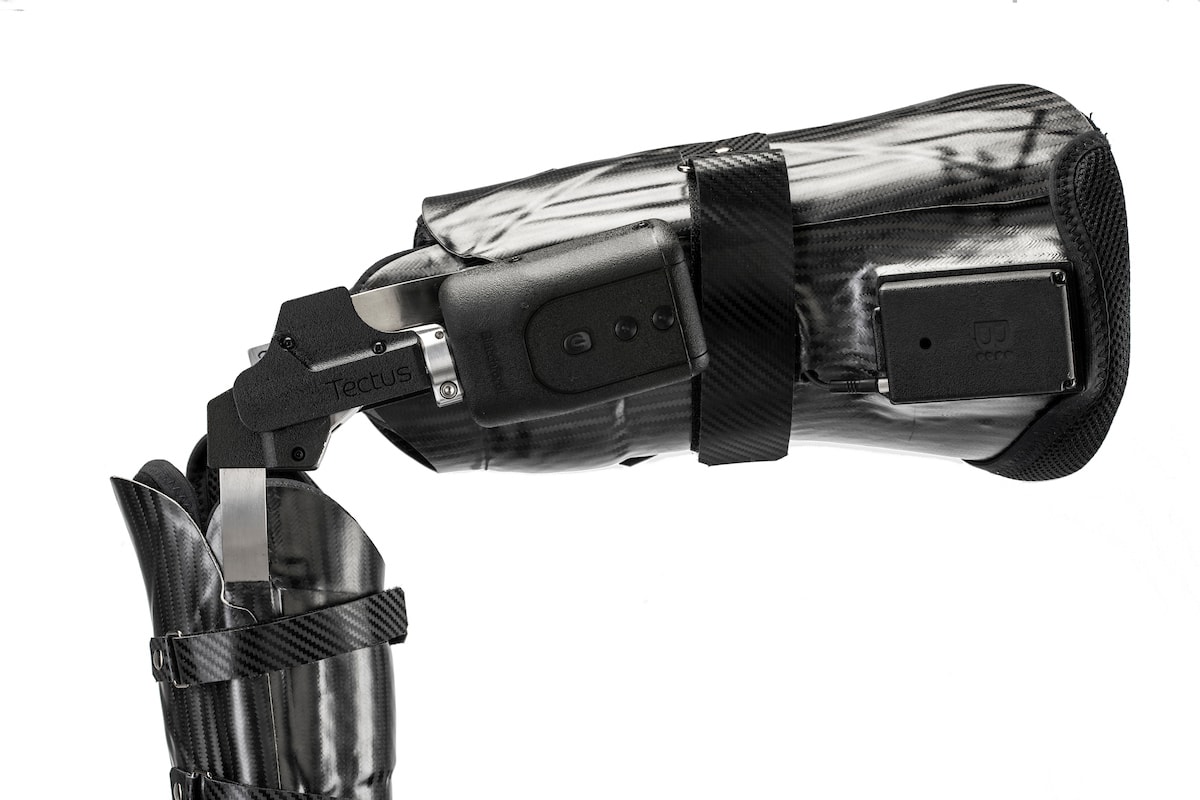
Real-World Evaluation of MPKAFO Performance using SMARTSTEP Remote Monitoring
Evaluation of orthotic device has traditionally relied on clinical performance testing, patient-reported outcomes, and laboratory-based gait analysis which are limited by short durations, clinician availability and controlled settings which may not reflect real-world situations.
This study evaluated SMARTSTEP® as a remote rehabilitation monitoring platform for comparing conventional knee-ankle-foot orthoses (KAFOs) with microprocessor-controlled knee-ankle-foot orthoses (MPKAFOs). Participants completed structured clinic-based walking tasks alongside four weeks of real-world monitoring using a SMARTSTEP®-enabled 9-axis IMU sensor worn on the affected thigh, allowing clinicians to assess stride consistency, turn stability, mediolateral control, forward acceleration, knee flexion symmetry, and motion variability.
The study demonstrated improved stride consistency, greater turn stability, enhanced postural control, reduced gait variability, and more physiological gait patterns when using the MPKAFO compared to conventional KAFOs. SMARTSTEP® also achieved a 91% adherence rate to prescribed daily sessions, highlighting its value as a scalable remote monitoring solution that supports objective clinical decision-making, patient engagement, and outcome-driven rehabilitation beyond the clinic environment.
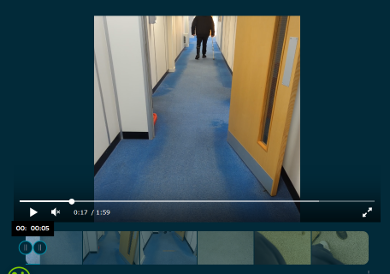
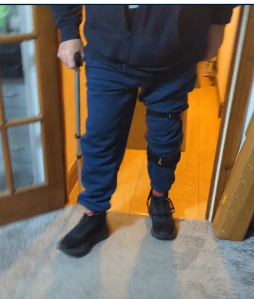
Evaluating the Impact of TurboMed Orthotic Device on Mobility and Balance: A Comparison Study Using SMARTSTEP-Enabled Movesense Activity Trackers
Foot drop is a common mobility impairment associated with an increased risk of trips and falls, often managed using ankle-foot orthoses (AFO). This study is evaluating the effectiveness of the TurboMed XTERN ankle-foot orthosis in improving gait, balance, and overall mobility in individuals with lower limb impairment using the SMARTSTEP® remote monitoring platform. In a within-subject, repeated-measures design, participants complete a 28-day baseline period using their existing orthotic device (or no aid), followed by a 28-day intervention phase using the XTERN device, with continuous gait monitoring via a SMARTSTEP®-enabled activity tracker and daily mobility assessments captured through the SMARTSTEP® app.
The study measures objective gait metrics alongside clinical assessments such as the 10-Metre Walk Test, Timed-Up-and-Go, balance scales, and patient-reported outcomes, with additional qualitative exit interviews to capture user experience. Results are currently pending; however, this study is expected to provide valuable insight into the real-world effectiveness of orthotic interventions and demonstrate the role of SMARTSTEP® in supporting longitudinal, outcome-driven rehabilitation and remote patient monitoring.
Results are pending completion of data analysis.